

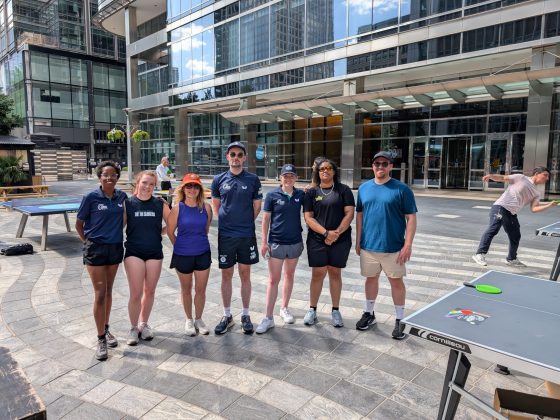
June is a special time across the globe—where Pride Month takes place, a celebration of LGBTQ+ identities, resilience, and advocacy. While Pride began as a protest—sparked by the 1969 Stonewall Riots in New York—it remains a powerful reminder today that visibility and inclusion matter, especially in spaces where LGBTQ+ people have historically felt unwelcome, like the world of sports.
You can learn more about the Stonewall Riots and their legacy here: Stonewall Uprising – 50 Years of LGBT+ History
The Activity Gap for LGBTQ+ Youth
The World Health Organisation recommends that young people engage in at least 60 minutes of physical activity per day to maintain physical and mental wellbeing. But for many LGBTQ+ youth, that target can feel unreachable.
This is because physical activity settings—whether it’s a PE class, a sports club, or a local gym—can often feel unsafe or unwelcoming to LGBTQ+ young people. Fear of bullying, gendered spaces, lack of representation, or simply not seeing anyone “like them” participating, can all be significant barriers.
Research by Just Like Us, a UK charity supporting LGBTQ+ youth, highlights this issue. In a 2021 survey of 2,934 pupils across 375 schools, 29% identified as LGBTQ+. These young people reported lower levels of wellbeing and reduced access to supportive environments, including sport.
Why Table Tennis?
Table Tennis is a fast, fun, and flexible sport that has real potential to break down those barriers.
Here’s why table tennis can be a game-changer for LGBTQ+ young people
Low-pressure, high-fun: Unlike contact sports or traditional team games, table tennis is low-impact and easy to start. It can be as casual or competitive as players want it to be.
Inclusive by design: Table tennis doesn’t rely on gendered teams, physical strength, or traditional ideas of athleticism. Anyone can pick up a bat and play.
Safe spaces: Table tennis can be played anywhere—from school halls to community centres. By creating LGBTQ+-inclusive environments with clear allyship and representation, we can turn these venues into safe spaces for connection and activity.
Social and supportive: The sport encourages interaction, collaboration, and shared experiences—fostering a sense of belonging, especially for those who may feel isolated.
What Needs to Happen?
To get more LGBTQ+ youth active through table tennis, a few key actions are essential:
Training and education: Coaches, PE teachers, and volunteers need training on LGBTQ+ inclusion, from using the right language to creating welcoming spaces.
Visibility matters: Show LGBTQ+ representation in club posters, social media, and events. Celebrate Pride Month and beyond through inclusive messaging.
Community partnerships: Work with LGBTQ+ organisations like to co-create safe sporting spaces, listen to young people’s voices, and amplify their needs.
Create LGBTQ+-inclusive sessions: Whether it’s a weekly “rainbow rally” or an open play session for LGBTQ+ youth and allies, dedicated time slots help build confidence and trust.
Pride, Ping Pong, and Progress
Pride Month is more than a celebration—it’s a call to action. It asks us to make space, lift voices, and challenge norms. For LGBTQ+ young people, sport should be a place where they feel seen, valued, and free to thrive—not just in June, but all year round.
By embracing inclusive sports like table tennis, we can begin to close the activity gap, support wellbeing, and serve up joy and connection for every young person—one rally at a time.