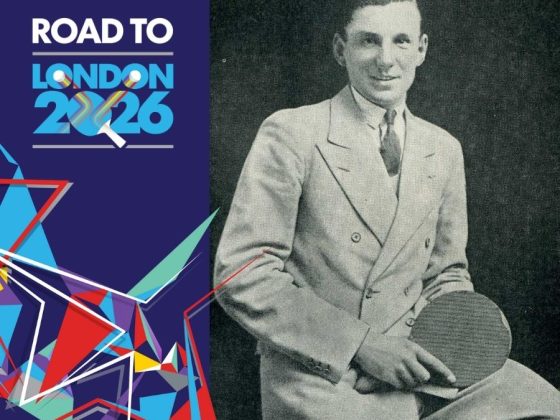
In part three of our series on England’s World Championships performances over the years, Diane Webb (Chair of Archives, Museum and Records Committee) looks at the third Championships in Budapest in 1928.
Keep an eye on our website and social media platforms for a host of features in our Road to London 2026 series – and click below to secure your tickets for London 2026.
The third World Championships took place in Budapest with 10 men’s teams taking part but no women’s teams. The England team comprised Charles Bull, Frank Burls, Adrian Haydon, Fred Perry and Frank Wilde with Ivor Montagu as the non-playing captain.
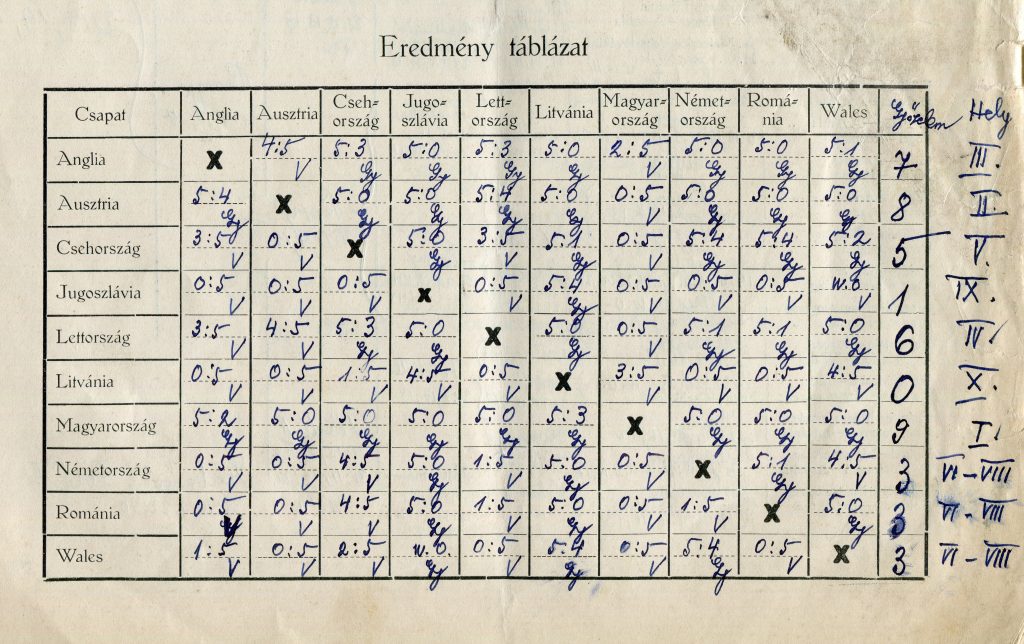
They ended with a bronze medal losing only to champions Hungary 2-5 and silver medallists Austria 4-5 with success against Czechoslovakia 5-3, Germany 5-0, Latvia 5-3, Lithuania 5-0, Romania 5-0, Wales 5-1 and Yugoslavia 5-0.
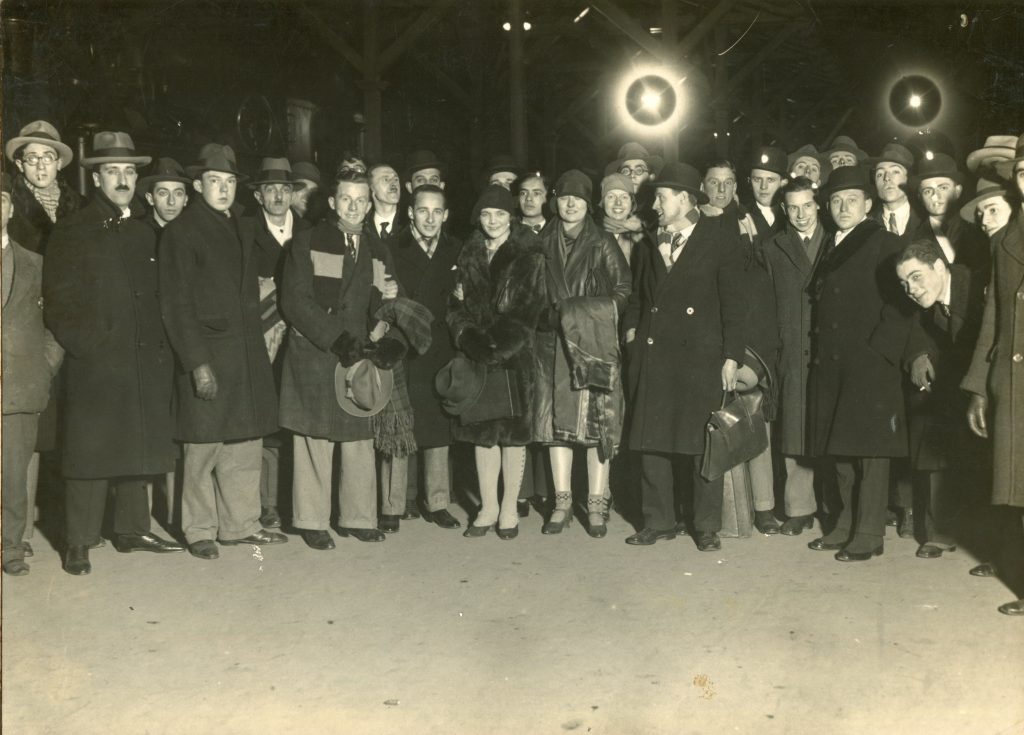
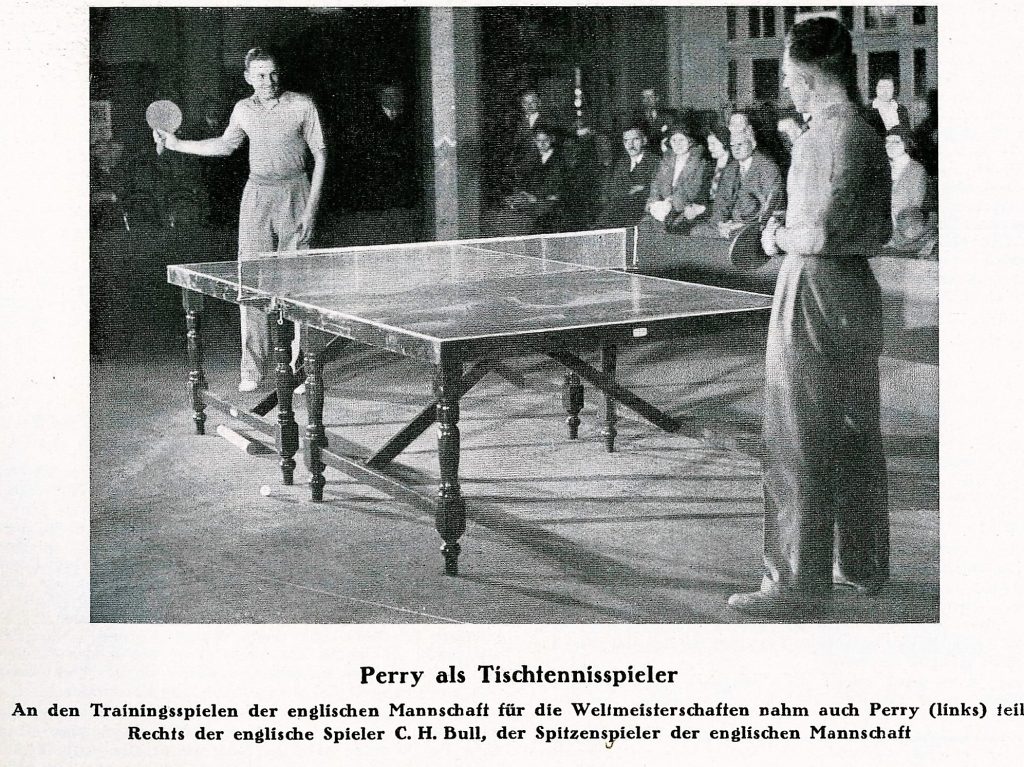
The highlight of the championships for England was Fred Perry’s gold medal in the Men’s Singles. He beat compatriot Haydon in the semi-final and Miklos Szabados of Hungary in the final -14, 12, 21, 19.
Bull and Wilde reached the round of 16 while Burls went out in the round of 32 and Montagu in the round of 64. Other English players who made the journey were George Ross and Teddy Stillwell both in the round of 64 and a Mr Way who went out in the first round – the round of 128.

Four ladies made the trip with the best result by Joan Ingram who reached the round of 16 whilst Myra Collett, Marjorie Haydon (Adrian’s sister) and Mrs John reached the round of 32. Mrs Hellstern, later Mrs Montagu, also travelled to Budapest but did not play in the singles.
Hungarian Maria Mednyanszky was the Women’s Singles champion for the third time with a win over Austria’s Gertrude Wildam 9, 15, 12 in the final.
The Men’s Doubles saw a further medal for Perry playing with Bull when they reached the semi-finals losing to the runners-up Laszlo Bellak & Sandor Glancz of the home nation 18, -9, -11, 19, 20. Victor Barna & Szabados were the new champions with the score in the final 15, 14, 13.
Burls & Haydon lost to the eventual winners in the quarter-finals while Montagu & Ross lost in the first round. Stillwell & Way were paired but scratched, as did Wilde who was partnered by Indian, W Kirloskar.
The Women’s Doubles was won by Erika Metzger & Mona Ruster of Germany, their opponents in the final were Austrians Wildam & Franchette Flamm, the score 14, 15, 12. England had two pairs, Marjorie Haydon & Ingram and Collett & Mrs John, but both pairs scratched.
In the Mixed Doubles Adrian Haydon playing with Metzger got as far as the quarter-finals before they lost to Bellak & Magda Gal 17, -15, 17, 20. The champions were Istvan Kelen & Anna Sipos, another gold for Hungary, who beat Bellak & Gal -19, 7, 13, 8 in the final.
Those who reached the round of 16 were Perry with Marjorie Haydon (the pair scratched to Adrian Haydon & Metzger), Stillwell & Reischig of Hungary, Burls & Collett, Mr Way & Varga of Hungary, Bull & Ingram. Montagu & Hellstern, and Wilde & Mrs John also entered but scratched.

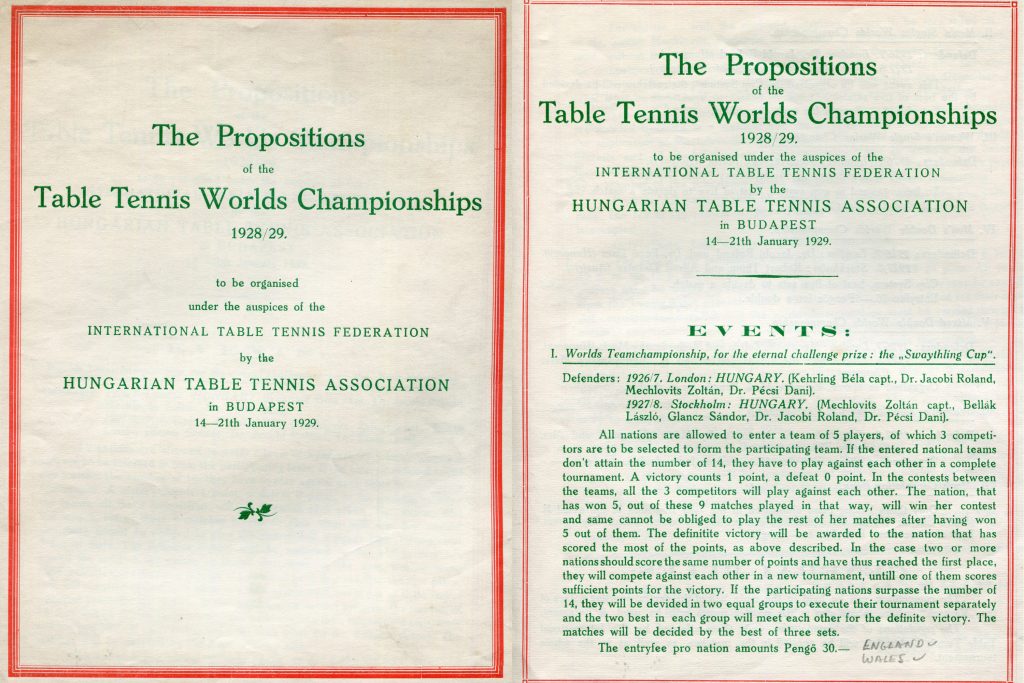
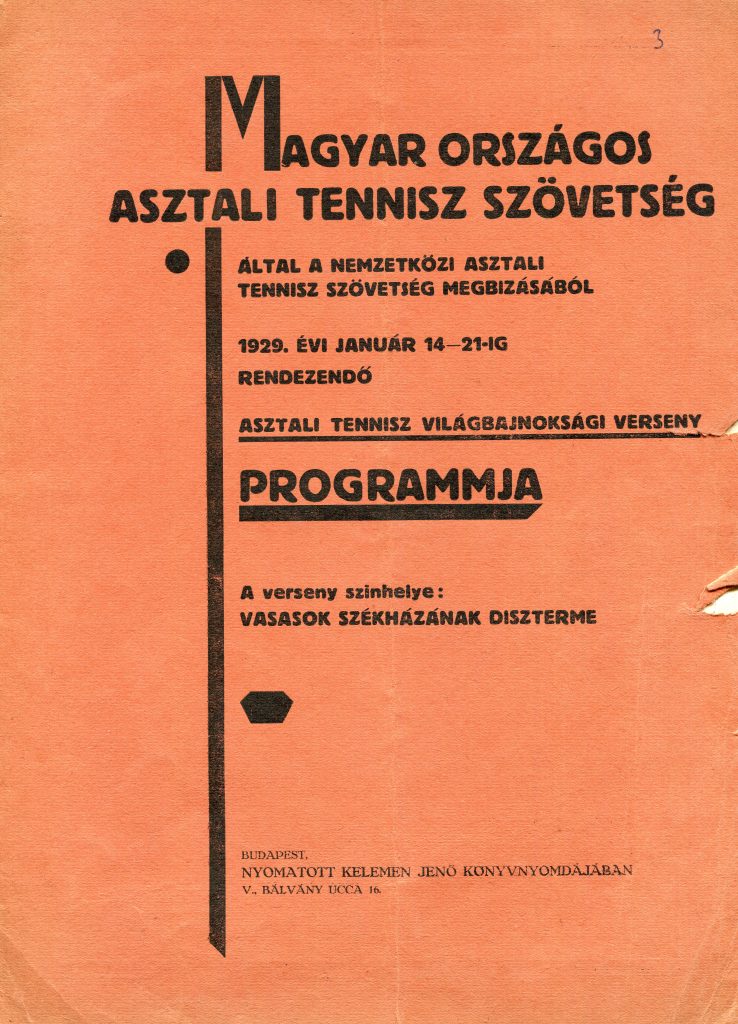
Propositions at the World Championships in Budapest were printed in English and Hungarian and set out the regulations for the tournament. The competition was played “in the main hall of the central sporting palace of the “Vasasok” where tables also in the smaller rooms will be used, if necessary”. The jury was made up of one representative from each national association who had players who entered.
The matches were to be run each day from 9am until 1pm, 3pm to 5pm and 6pm until midnight. Zoltan Mechlovits took all the entries and dealt with all correspondence. Finally, at the Congress in Stockholm in 1928 it had been passed that the host nation would meet the hotel and board expenses (three meals a day) of five competitors throughout the tournament from each nation who had affiliated to the ITTF before 30 April 1928.
Profiles
Myra Collett: Not much is known about Myra Collett. She was born in London and played in the London Business Houses League. Collett only played in the World Championships in Budapest, where she was also a representative at the ITTF Congress. She did earn one England cap when she played against Wales in 1930/31 and played in two English Opens in 1928 and 1929. She was runner-up in the Women’s Doubles with Marjorie Haydon in 1929 and reached the quarter-finals in 1928 with a Miss Delboveau. With Charles Mase in the Mixed Doubles she was a semi-finalist in 1929.

Marjorie Haydon: From Kings Norton, Worcestershire, born on 23 October 1908, Haydon’s only World Championship appearance was in Budapest. Haydon was another England international being a member of the England team which beat Wales 6-4 on 7 February 1930. She had success at the English Open, becoming a silver medallist in 1929 with Myra Collett in the Women’s Doubles and with Frank Lawes the following year in the Mixed Doubles. She gained bronze medals in the Women’s Singles in 1930 and in the Mixed Doubles with Frank Lawes in 1929. Haydon won the Midland Open in four consecutive years, 1925, 1926, 1927 and 1928. As well as being a player, Haydon was a Representative at the Budapest Congress and Secretary of the Birmingham & District Table Tennis League.
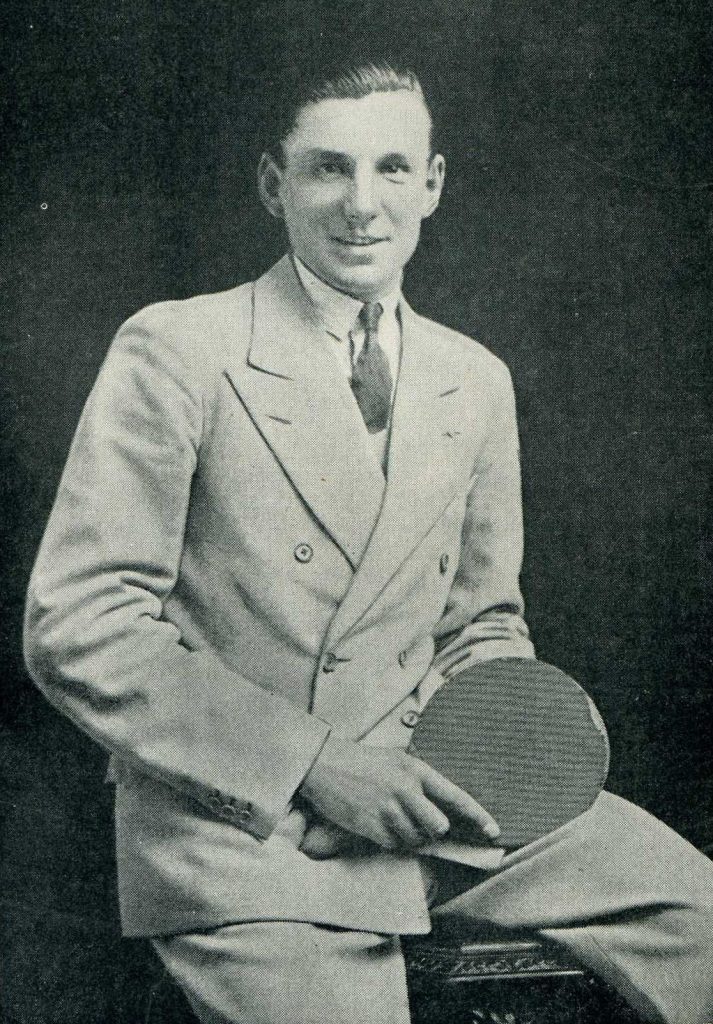
Fred Perry: A World Champion at 19 years old – Frederick John Perry, known as Fred, was England’s first player to achieve that status in Budapest. As a result, he was granted the No 1 spot in the world ranking list. His total tally of medals at World Championships was one gold, one silver and four bronze. Perry played in the Four Nation Tournament when 19 years old, against Ireland, Scotland and Wales and also played in two international matches against Wales in 1927/28 and 1928/29. He played in English Open Championships between 1928-1933 although never getting further than the semi-finals in the Men’s Singles, he did win three Men’s Doubles titles with Charles Bull and the Mixed Doubles with Winifred Land. He also won titles at the London Open, Middlesex Open and Pontefract Open. Another member of the Herga Club which produced so many internationals in both table tennis and tennis.
Playing both table tennis and tennis, it was early in 1930 that Perry’s lawn tennis prowess came to the fore and he was selected for the Davis Cup team in 1931. During one week he played lawn tennis for his London team against Paris in Paris and then switched to playing in an international table tennis tournament, winning the Coupe de Noel against a very strong field. Shortly after, Perry concentrated solely on lawn tennis going on to win eight grand slams including three Wimbledon titles in 1934, 1935 and 1936. He last played table tennis in 1932.
Perry recognised the benefits of playing table tennis in his game of lawn tennis, saying that it increased his ability to think and act quickly. Johnny Leach described Perry as having “a quick eye, lightning reflexes and immaculate ball control”. Perry used the same action in both games – a topspin forehand taking the ball early to make openings for his attack and using a strong wrist action when he attacked with his backhand.
Perry was inducted into the ETTU Hall of Fame in 2016, he had previously been made a Vice-President of the International Club of England in 1964 and received the ETTA Players Achievement Award in 1983, it was presented to him at Wimbledon in 1984.
George Ross: An older player who was born on 1st December 1877 in Hackney, London. Ross was a reserve for the England’s first ever international against Wales and played in the second fixture on 8 December 1923 won his match 50-47 with the team winning the fixture by 134 points. Ross played in two World Championships – 1926 and 1929. He was an early pioneer of table tennis and it is known he played in a major tournament in 1902 where he played a “splendid game, his hard hitting was most refreshing after the stone-walling game which now seems so much in vogue”.
Ross’s influence in structuring the ITTF was significant as he was one of the delegation who attended the meeting in Berlin in 1926 which led to the formation of the ITTF and he assisted with drafting the rules/laws. He was a member of the World Championships Tournament Committee in 1926 and an ETTA representative at the Budapest Congress in 1929. At local level he was secretary, treasurer and ETTA representative for Slough and District TTL and club secretary of Slough YMCA TTC. He was made an ETTA Vice-President in 1933.
As well as representing England at table tennis, he was an international at rifle shooting and represented Great Britain in gymnastics in the London Olympics in 1908 and the Stockholm Olympics in 1912 where he won a bronze medal.
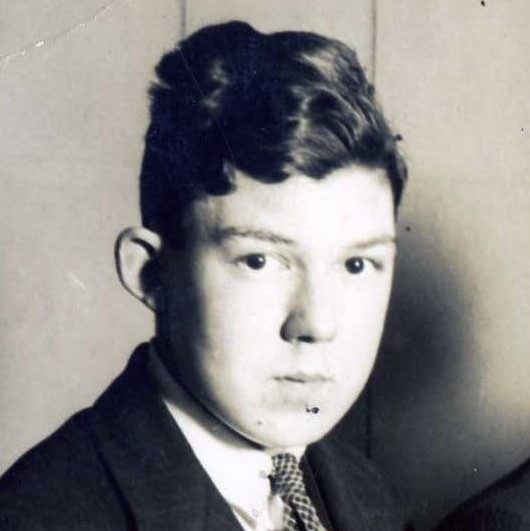
Frances ‘Frank’ Wilde: Born on 19 March 1911 in Kingston, Surrey and was a member of the Herga Club. Wilde played in his second World Championships in 1929 although his first time in the Swaythling Cup. He also played in three internationals against Wales in 1928, 1929 and 1930, in the latter he was the team captain. Wilde also played in the German Open in February 1928 where he was runner-up in the Mixed Doubles with Brenda Somerville. A winner in the Welsh Open Men’s Doubles in 1929 and several wins in Open tournaments in England which justified his world ranking of 20. Wilde was another player who attended the ITTF Congress in Stockholm in 1928.
As well as playing table tennis at international level, Wilde was an excellent tennis player and represented Great Britain in the Davis Cup in 1937, 1938 and 1939. He also reached three Wimbledon finals in doubles.
Latest news